Strip away the headlines for a moment. Israel has no oil, little water, hostile borders and about ten million people. By every excuse available, it should be a struggling state. Instead it grows the food, writes the code, builds the medicine and sends the first field hospital to other people's earthquakes. A heritage site that only ever plays defense would miss the best part of the story: not what Israel survives, but what it makes.
Ideas that left the lab
A short list from a long one.
Drip irrigation
Netafim's drippers turned deserts green and now water crops across the dry world, growing more food with far less water.
The USB flash drive
An Israeli company, M-Systems, built one of the first, the DiskOnKey. The thing on your keychain started here.
The PillCam
A swallowable camera in a capsule that films the gut, sparing millions an invasive procedure.
Waze & Mobileye
Crowd-sourced navigation and the vision chips behind self-driving cars, both born in Israel.
The cherry tomato
Israeli scientists bred the modern long-shelf-life cherry tomato now sold in every supermarket.
Medicine
Teva, the world's largest maker of generic drugs; Copaxone for MS; the ReWalk exoskeleton that helps the paralysed stand.
One Desert, Two Answers
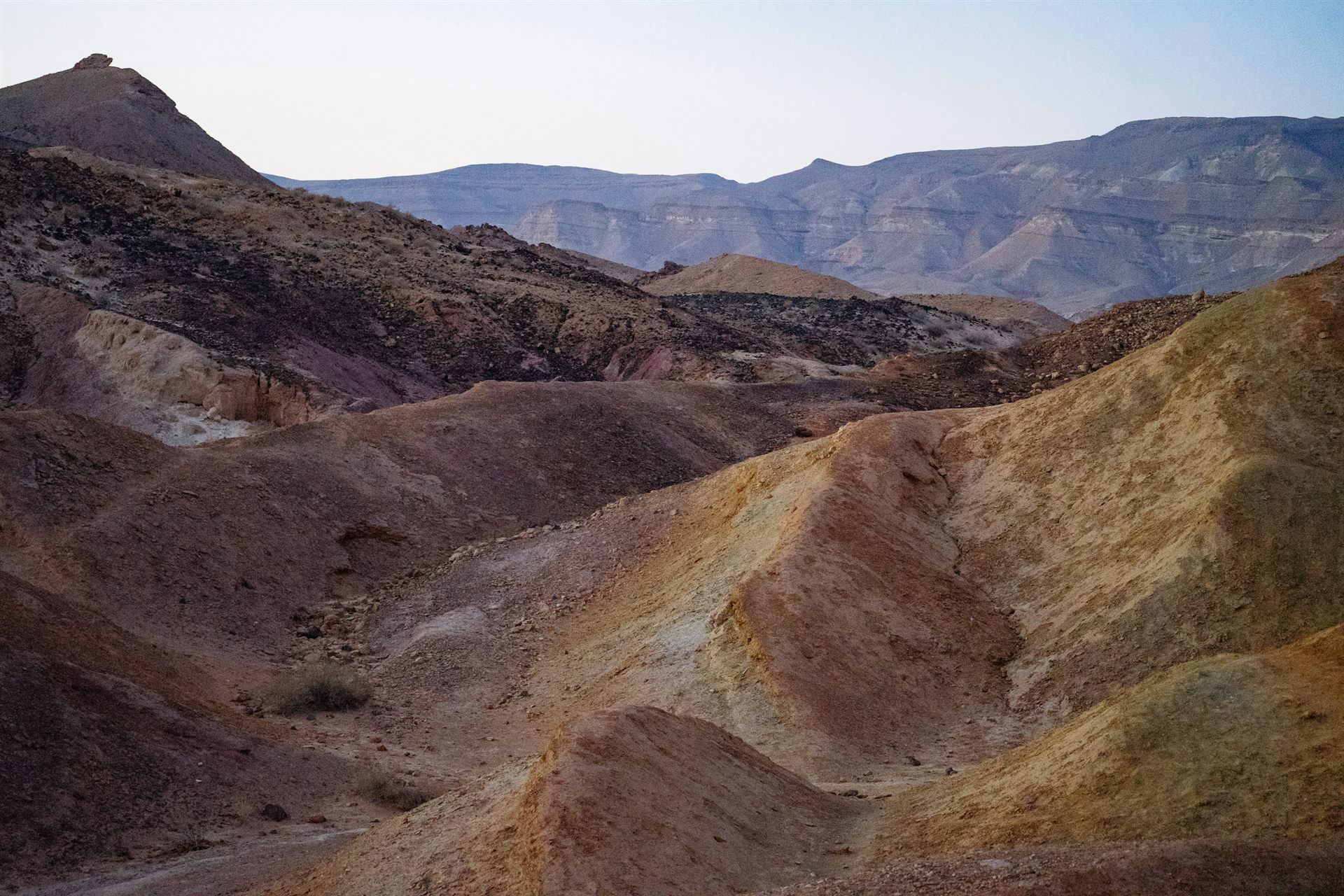
The same sand, the same sky, and two opposite ways to answer for water.
Israel sits in the same parched belt as its neighbours, with no oil and barely any rain. The oil-rich Gulf answered the desert by borrowing from it, drawing down deep, ancient aquifers sealed under the rock, water that fell in wetter ages and barely recharges. Israel had no such reserve to spend, so it had to build one instead. That single difference is becoming the story of the whole region.
The fossil-water gamble
- These are deep aquifers sealed beneath thick rock, holding water older than the pyramids, older than writing: rain from wetter ages that, once pumped, will not return for tens of thousands of years, longer than recorded history.
- NASA's GRACE satellites, which measure groundwater loss from orbit, rank the Arabian aquifer the most over-stressed major aquifer on Earth, drained with almost no natural refill.
- Saudi Arabia grew so much wheat on that ancient water it became a major wheat exporter by the 1990s, then shut the program down by 2016 as the wells ran low. The Gulf now leans on energy-hungry desalination for most of its drinking water.
- Tapped out at home, the Gulf now leases farmland abroad to grow feed on someone else's water. A Saudi dairy firm leased land in drought-stricken Arizona and across Africa, pumping near-unlimited groundwater to ship hay home to its cows, until Arizona began revoking those leases in 2023.
A renewable water economy
- About 80% of Israel's drinking water is desalinated from the sea, across five Mediterranean plants, with more under construction.
- Israel recycles roughly 87% of its wastewater back to farming, the highest rate on earth by a distance; the next country, Spain, manages about 20%.
- Drip irrigation, invented in Israel, grows more crop from every drop across the dry world.
Source: Israel Water Authority, Mekorot, IDE Technologies, FAO wastewater-reuse rankings.
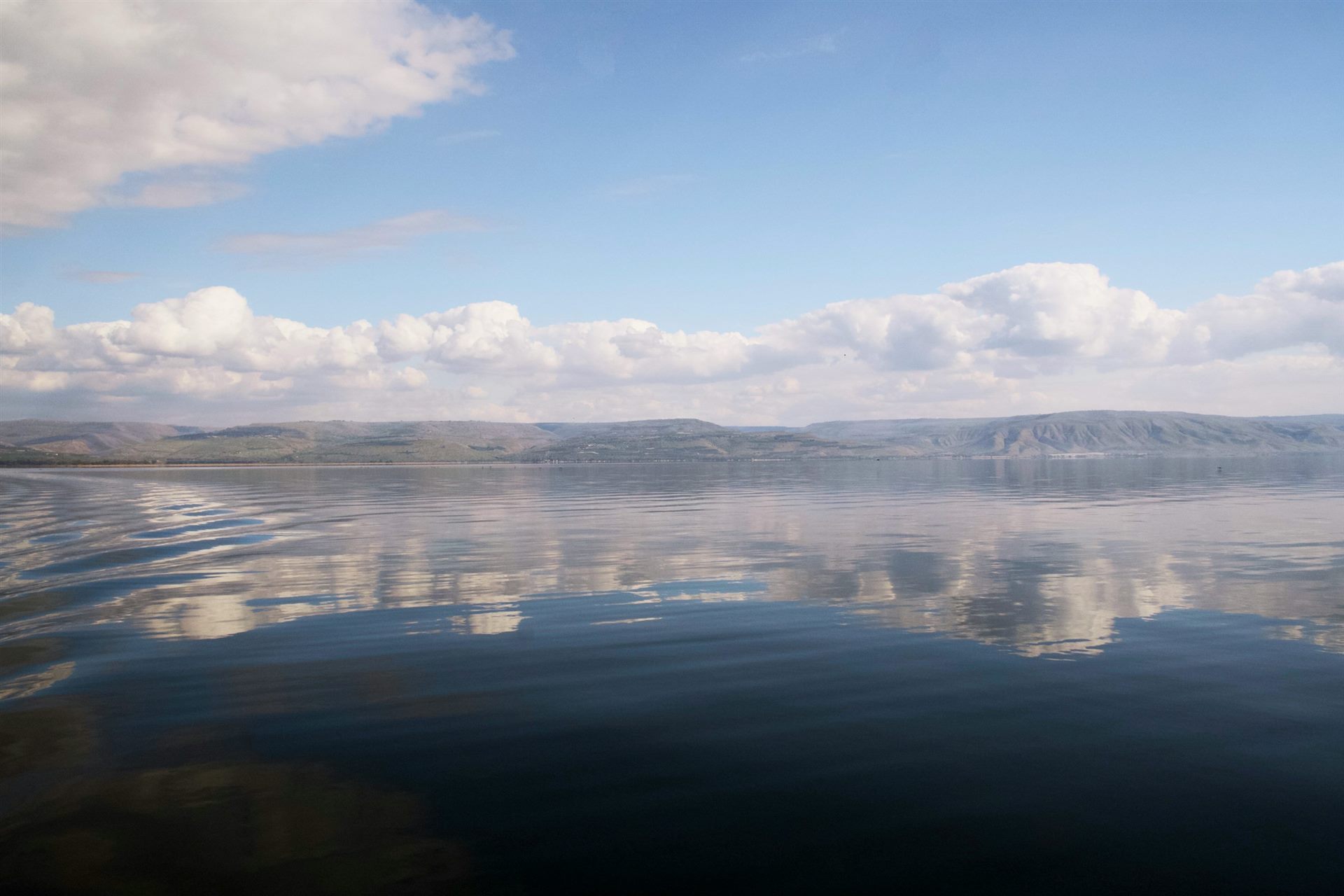
The result reversed the oldest fact of life here. Israel went from rationing water to a surplus of about a fifth more than it needs, and in a world first it now pumps desalinated seawater uphill into the Sea of Galilee to refill the lake that once fed the country. Scarcity, engineered away.
First on the ground
When the earth shakes somewhere far away, an Israeli plane is often among the first to land. Israel has flown full field hospitals to the rubble of Haiti (2010), Nepal (2015), and Turkey (2023), treating strangers who will never thank it on television. After the 2015 Nepal earthquake, the WHO rated Israel's field hospital a Type 3 trauma center, its highest classification, the first foreign military hospital in history to earn it. A country that knows what it is to be abandoned chooses, again and again, not to abandon others.
A society of minorities
The quiet rebuttal to “apartheid.”
Druze ~150,000
A proud community whose sons volunteer for the IDF, Israel's military, and rise to general, a seat in the Knesset (Israel's parliament), or a judge's bench. Their loyalty runs deep, and Israel returns it. In Syria, Druze in Sweida were massacred by government-aligned militias and ISIS remnants while the world said nothing. In Israel the same community commands IDF units and sits in the Knesset.
Christians ~185,000
Arab and other Christians worship freely here. Israel is one of the few places in the region where the Christian population has grown, not fled. Iraq's Christian population has collapsed from 1.5 million in 2003 to under 250,000 today. Lebanon's and Syria's are emptying by the tens of thousands a year. In the entire Middle East, only in Israel is the Christian population growing.
Bedouin
Desert communities, many of whom serve as elite trackers in the IDF, Israel's military, navigating between tradition and a modern state.
The Bahai
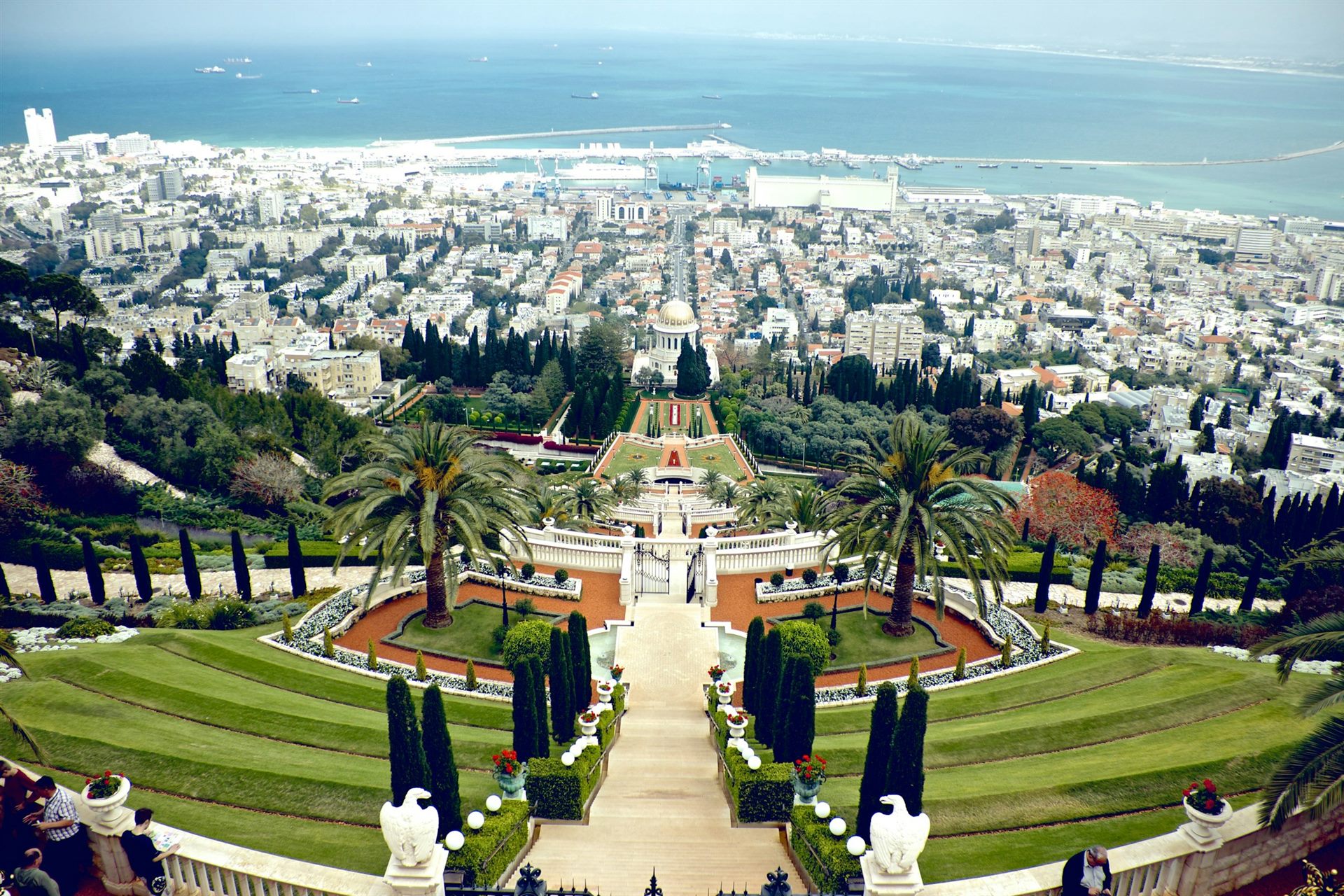
The golden-domed Bahai World Centre sits in Haifa: the faith's holiest place on Earth is in the Jewish state, tended in peace.
Life in Israel
A normal country, in an abnormal neighborhood.