The Forgotten Refugees

The Other
1948

Everyone is taught about the Palestinian refugees. Almost no one is taught that as many Jews were driven from Arab lands in the very same years, their communities older than Islam itself, gone almost overnight.

When Israel was reborn in 1948, the Arab world turned on the Jews who had lived among them for two and a half thousand years, since before the fall of the First Temple. Through pogroms, expulsion orders, frozen bank accounts and revoked citizenship, roughly 850,000 Jews were forced from a dozen countries. They lost homes, synagogues, businesses and graveyards. This is one of the great erasures of the twentieth century, and it is barely mentioned.
~850,000
Jews expelled or forced to flee Arab countries and Iran after 1948.
~2,500 yrs
How long many of these communities had lived there, predating Islam by a millennium.
≈ 0
Jews remaining in most of those countries today. Whole communities ended.
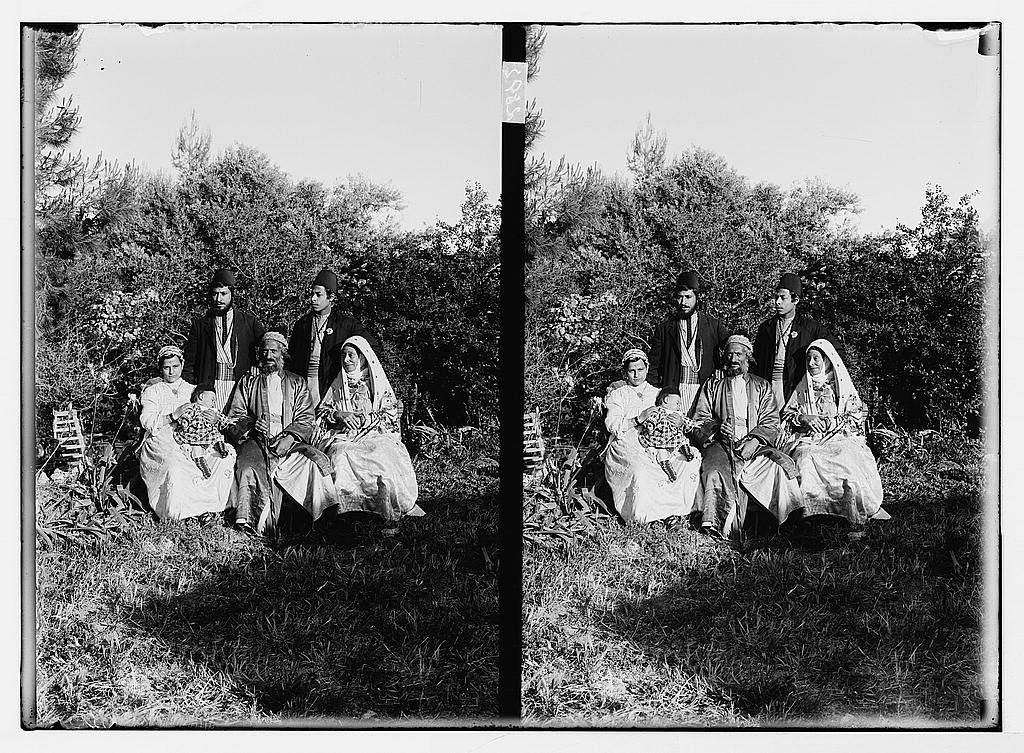
A group of Yemenite Jews photographed in the early 20th century.
An ancient community: Yemenite Jews photographed between 1898 and 1914, generations before the airlift. Jews had lived in Yemen for some 2,000 years.Matson Collection, Library of Congress. Public domain.
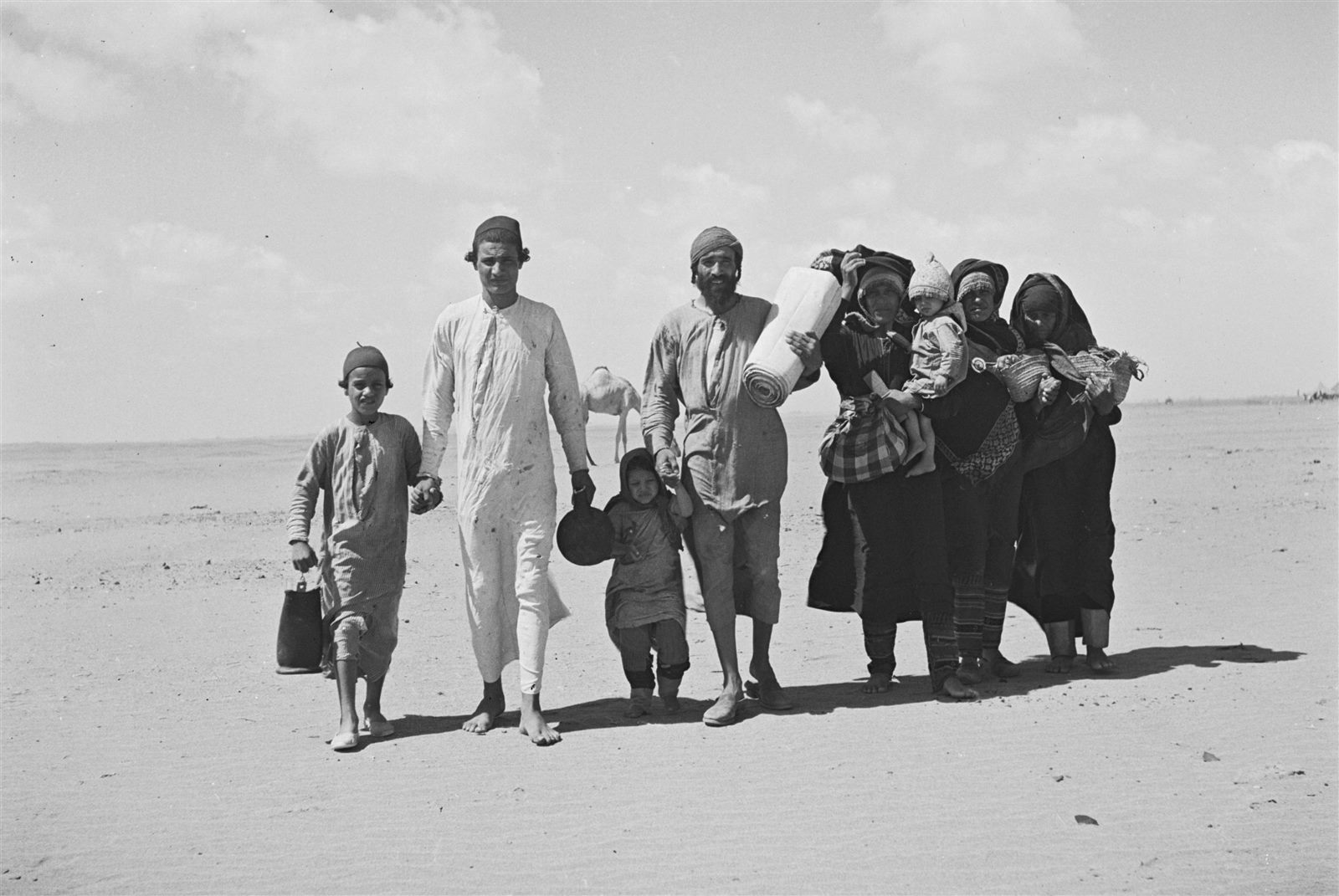
A Yemenite Jewish family walking across the desert toward Aden in 1949.
A Yemenite Jewish family crosses the desert toward the transit camp near Aden, 1949, the first leg of the journey out of Yemen.Zoltan Kluger, National Photo Collection of Israel. Public domain.
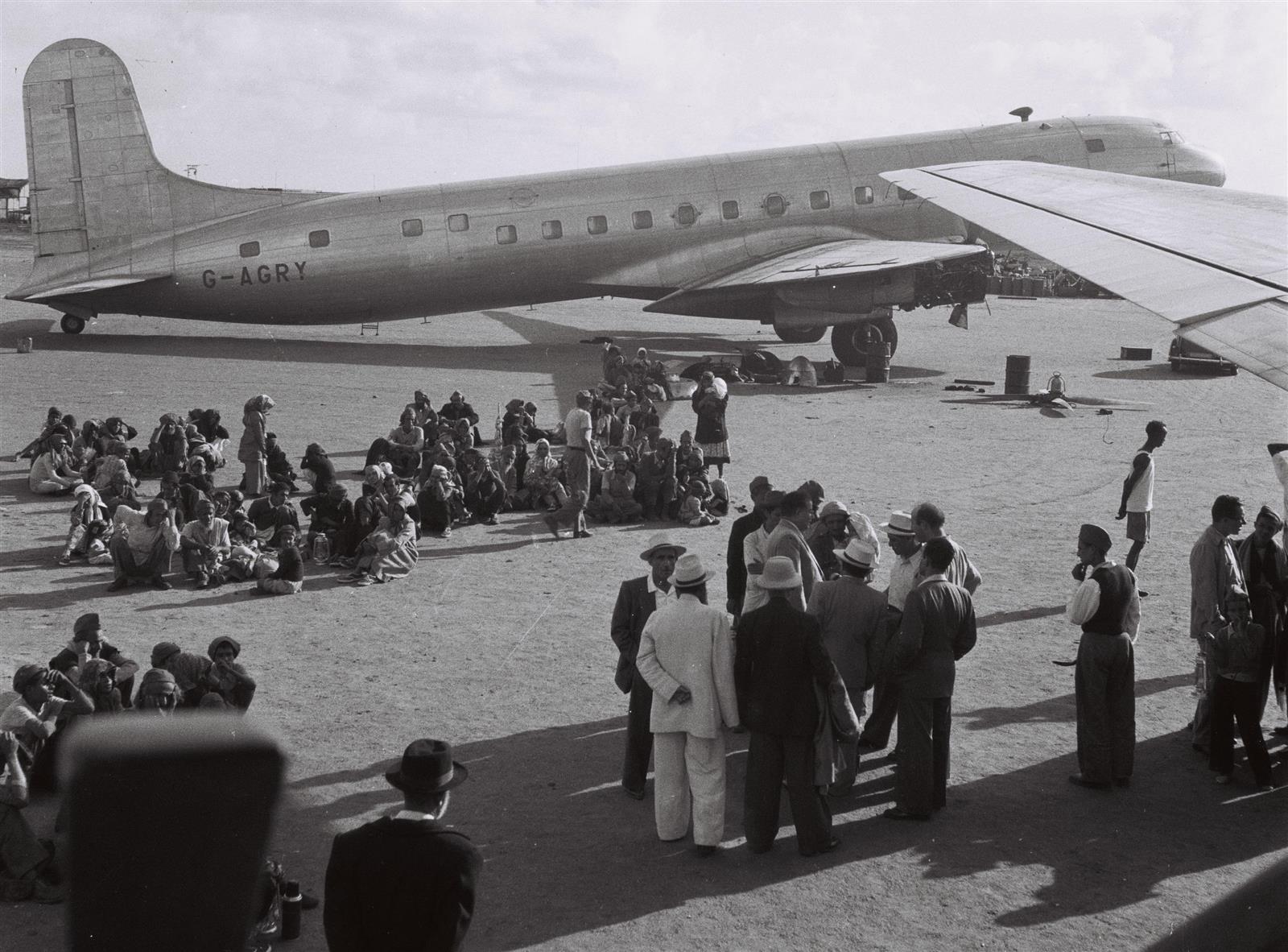
Yemenite Jews waiting at Aden airport in 1949 to be flown to Israel.
Waiting at Aden airport for the airlift, Operation Magic Carpet, which carried some 49,000 Jews out of Yemen to Israel.Zoltan Kluger, National Photo Collection of Israel. Public domain.
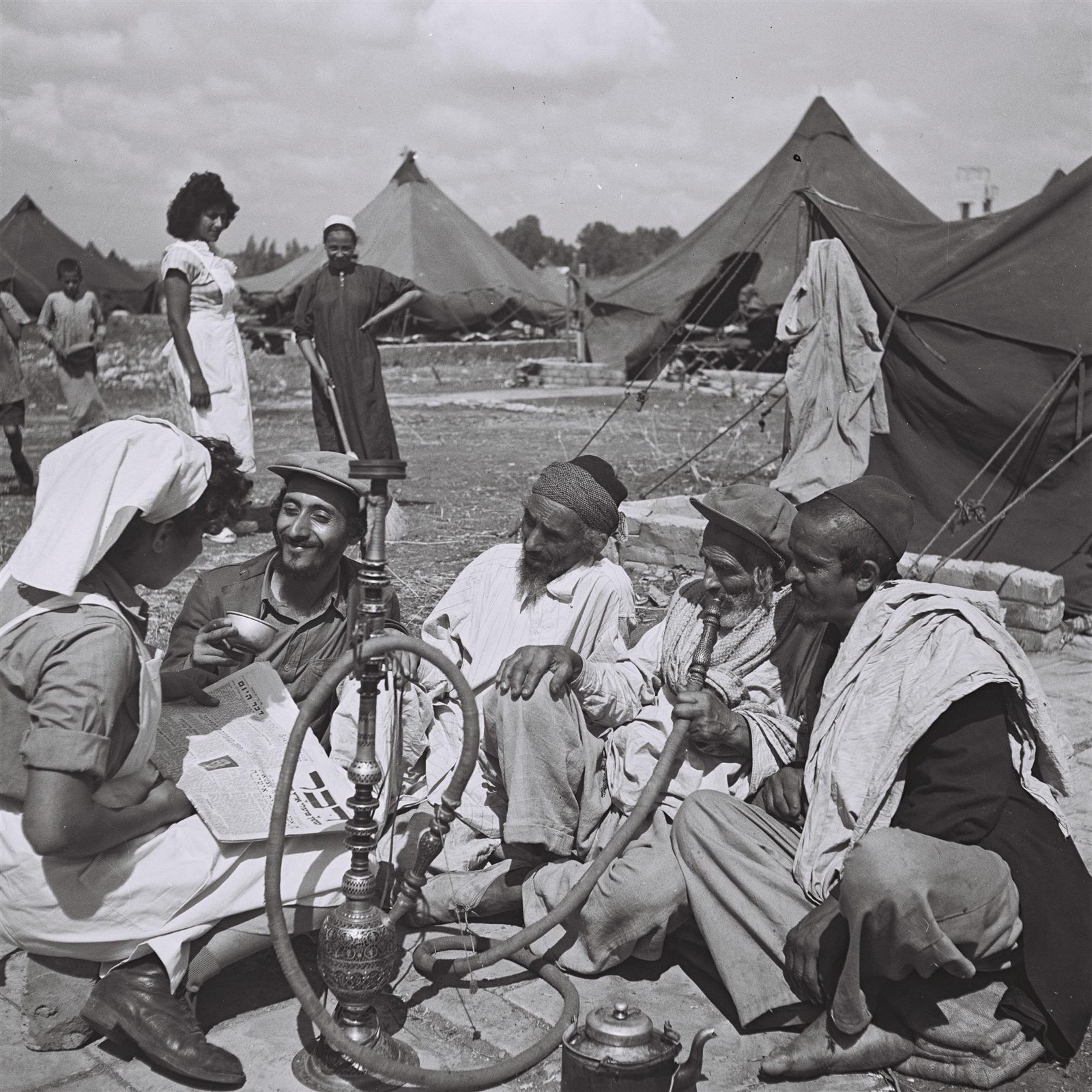
A nurse reads a newspaper to Yemenite new immigrants at the Rosh HaAyin camp in 1949.
Arrival in Israel: a young nurse reads the news to new immigrants at the Rosh HaAyin transit camp, 1949.Zoltan Kluger, National Photo Collection of Israel. Public domain.

Communities erased

Jewish population, 1948 versus today.

Morocco
286,000~2,000
Algeria
140,0000
Iraq
135,000~5
Tunisia
105,000~1,500
Egypt
~80,000a handful
Yemen
~50,000~0
Libya
38,0000
Syria
~30,000a handful
Iran (after 1979)
~100,000~9,000

It began before 1948

The exodus was not a reaction to Israel's birth. For centuries, Jews across the Muslim world lived as dhimmis, protected but legally subordinate, paying a special tax and subject to periodic violence. And the modern wave of pogroms began generations before there was a Jewish state to blame, in country after country, long before Zionism could be the excuse.

1839Mashhad, Persia
The Allahdad. A mob killed some 36 Jews and forced the entire community to convert to Islam at swordpoint. They survived for generations afterward as secret Jews.
1912Fez, Morocco
The Tritel. As French rule arrived, rioters sacked the mellah, the Jewish quarter, and murdered around 42 Jews, leaving thousands destitute.
1934Constantine, Algeria
A pogrom tore through the Jewish quarter. 25 Jews were murdered and some 200 wounded as the colonial police held back.
1941Baghdad, Iraq
The Farhud. Incited by Nazi propaganda and the exiled Grand Mufti, mobs murdered around 180 Jews and looted thousands of homes, in a community 2,600 years old, older than Islam itself.
1945Tripoli, Libya
On the anniversary of the Balfour Declaration, riots swept Tripoli and the towns around it: more than 140 Jews murdered and 4,000 left homeless. The same days brought attacks in Cairo and Aleppo.
Dec 1947Aden, Yemen
Days after the UN voted to partition Palestine, and five months before Israel existed, mobs murdered 82 Jews and burned their shops, school and synagogue. Local Jews were punished for a vote at the United Nations.

By the time Israel declared independence in May 1948, the persecution was already a century deep. The expulsions that followed did not start the hatred. They finished a process it had long since begun, which is why the claim that the Jews of the Arab world brought their fate on themselves by creating Israel collapses against the dates.

Two refugee stories, two endings

Here is the part that reframes the whole argument. Both peoples produced refugees in 1948, in comparable numbers. But the endings could not be more different. Israel absorbed its 850,000 as full citizens; today roughly half of Israeli Jews are Mizrahi, the children and grandchildren of those exiles, woven into the same tree of return as the rest. The Arab states, with vastly more land and resources, kept their Palestinians stateless for generations, in camps, under a special UN agency built to pass refugee status down the bloodline rather than resolve it. One side turned refugees into citizens. The other turned them into a permanent grievance.

Why we tell it. This is not a competition of suffering, and it does not erase the Palestinian tragedy. It restores a missing half of the record. Any honest accounting of 1948 includes the Jewish refugees too, and any “right of return” that ignores the 850,000 and the property they left behind is only telling half the story.