Tap to light a candle for the six million
Yizkor, Hebrew for "Remember."
Six million Jewish lives, murdered in the heart of modern Europe. A third of the entire Jewish people, gone in six years. We remember them, and we refuse to forget how it happened.
Whole worlds extinguished: families, villages, languages and libraries built over a thousand years, erased. We count them in millions; behind every figure stood a person with a name.
It did not begin with gas chambers. It began with words: laws stripping Jews of citizenship, then of livelihoods, then of homes. On Kristallnacht (the "Night of Broken Glass") in 1938, synagogues across Germany burned while the world looked away.
When war came, Jews were herded into sealed ghettos to starve. Behind the advancing German army, the mobile killing squads, the Einsatzgruppen, shot some 1.5 million Jews into pits at the edges of their own towns; at Babi Yar, near Kyiv, nearly 34,000 were murdered in two days.
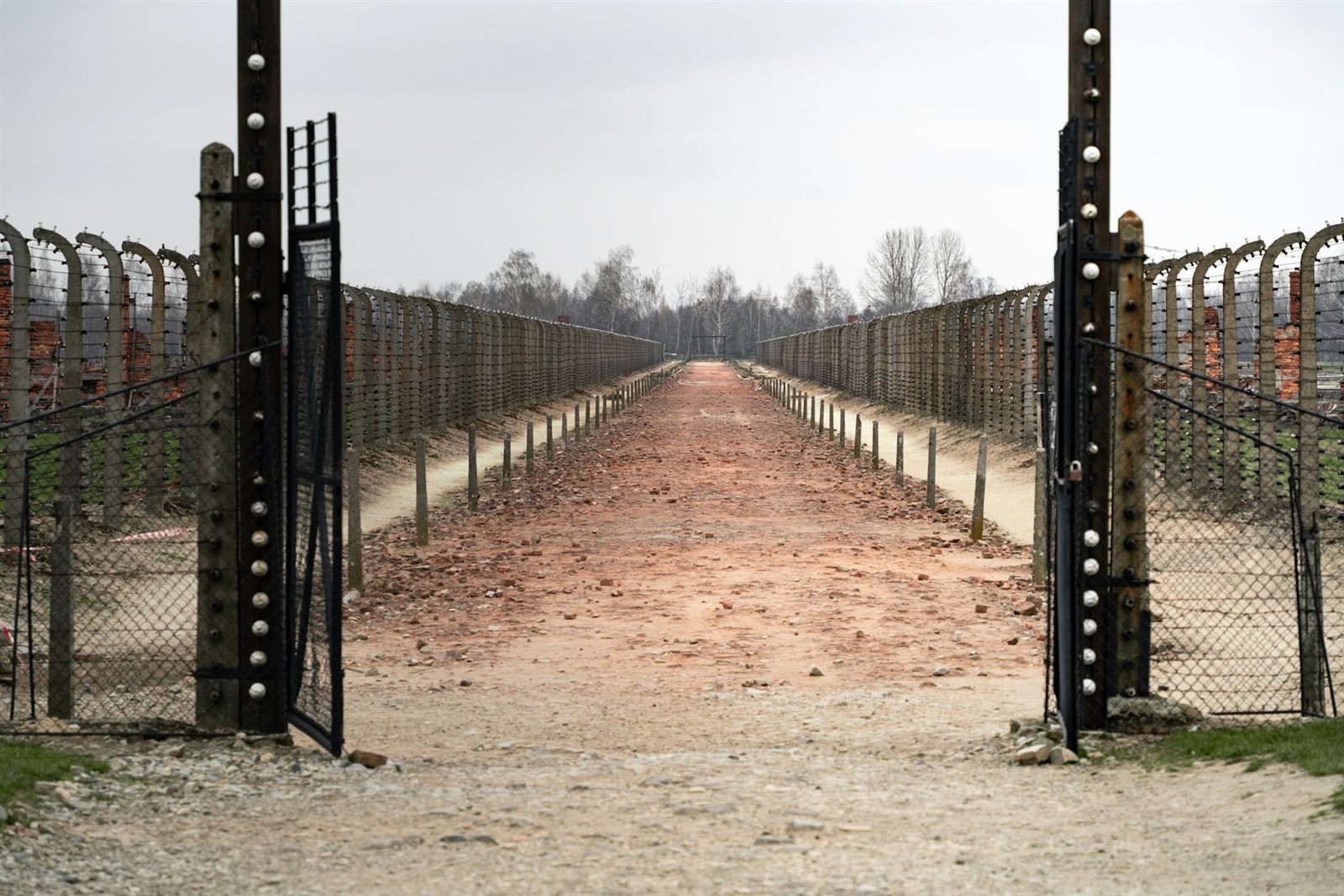
Then came the factories of death. At Auschwitz-Birkenau alone, the SS murdered roughly 1.1 million people. Treblinka, Sobibór, Bełżec, Chełmno and Majdanek existed for one purpose: the industrial killing of a people.
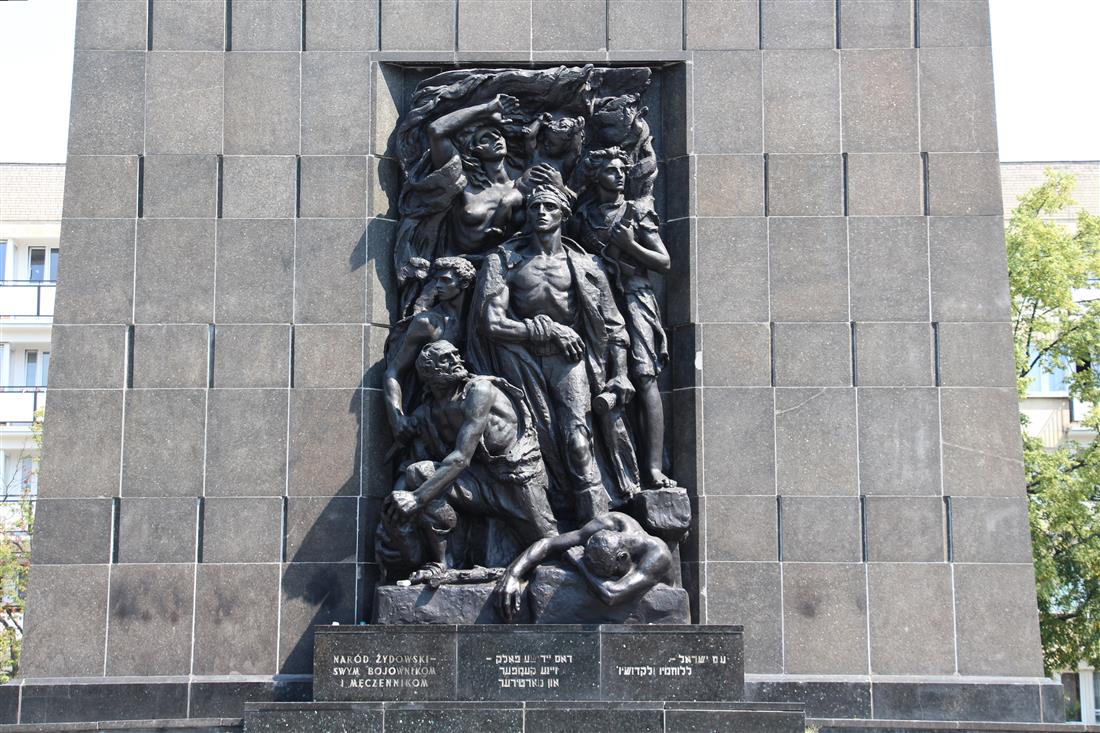
Popular memory likes to picture Jews walking meekly to their deaths. It is a slander. In 1943, a few hundred starving fighters in the Warsaw Ghetto, armed with pistols and homemade grenades, held off the German army for nearly a month, longer than it took the Wehrmacht to conquer Poland in 1939. There were revolts at Treblinka and Sobibór, partisans in the forests, and countless quieter acts of defiance: a hidden prayer, a smuggled child, a diary kept so the world would one day know.
Three years after the camps were liberated, the survivors did something the murderers believed impossible: they came home. In 1948 the State of Israel was reborn, and the broken remnant of European Jewry, alongside the roughly 850,000 Jews expelled from Arab lands in those same years (see The Forgotten Refugees), planted itself back in the soil of its ancestors.
This is why the roots in our emblem run so deep. A people that was nearly erased chose not vengeance but life: to build, to remember, and to make sure it could never again be defenceless. At Yad Vashem, Israel's Holocaust remembrance center in Jerusalem, the names are gathered, one by one, so that no victim becomes a number. עַם יִשְׂרָאֵל חַי, the People of Israel live.
May their memory be a blessing.