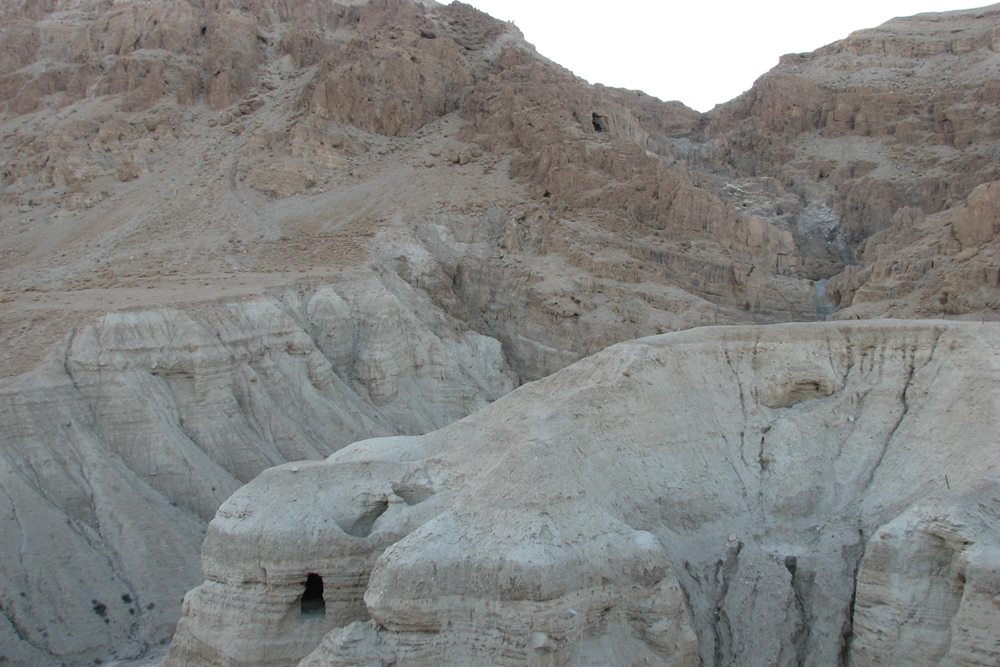
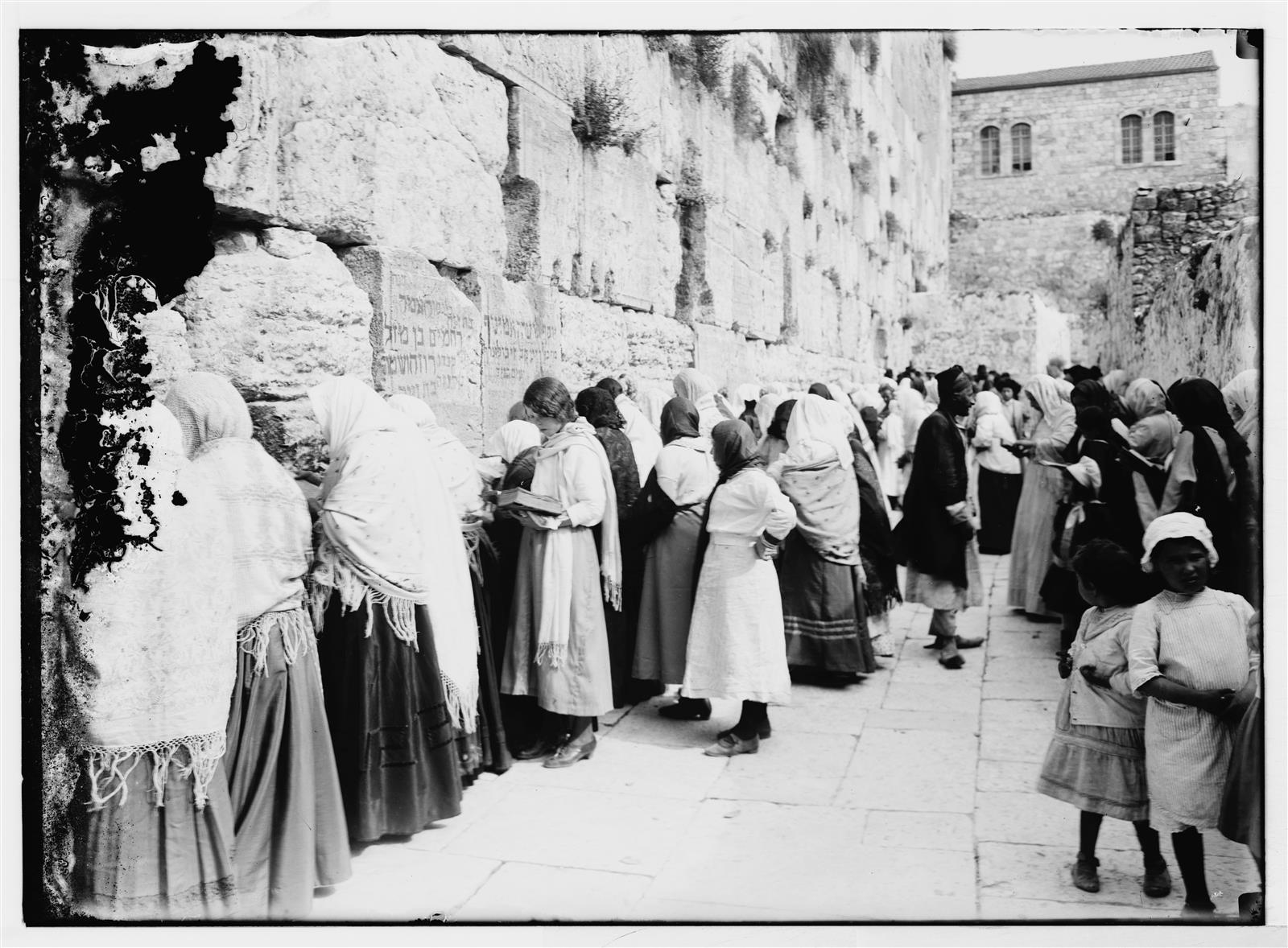
The Jewish bond to this land rests on two foundations: a religious one, the covenant promised to Abraham and the return foretold by the prophets, and a historical one, a state rebuilt by a returning people and recognized, step by step, in international law.
For those who hold the Bible, the bond is not political but covenantal. The land was promised to Abraham, Isaac and Jacob as an everlasting holding, and the scattering and the return were foretold by the prophets long before they happened.
The modern legal case runs in a straight line. A great power backed a Jewish national home (Balfour), the Allied powers gave it the force of international law (San Remo), the League of Nations made it a binding trust that recognized “the historical connection of the Jewish people” to the land (the Mandate), and the United Nations voted to partition that land into a Jewish and an Arab state (Resolution 181). The Jewish side said yes. The Arab side said no, and went to war. Israel declared independence and survived.
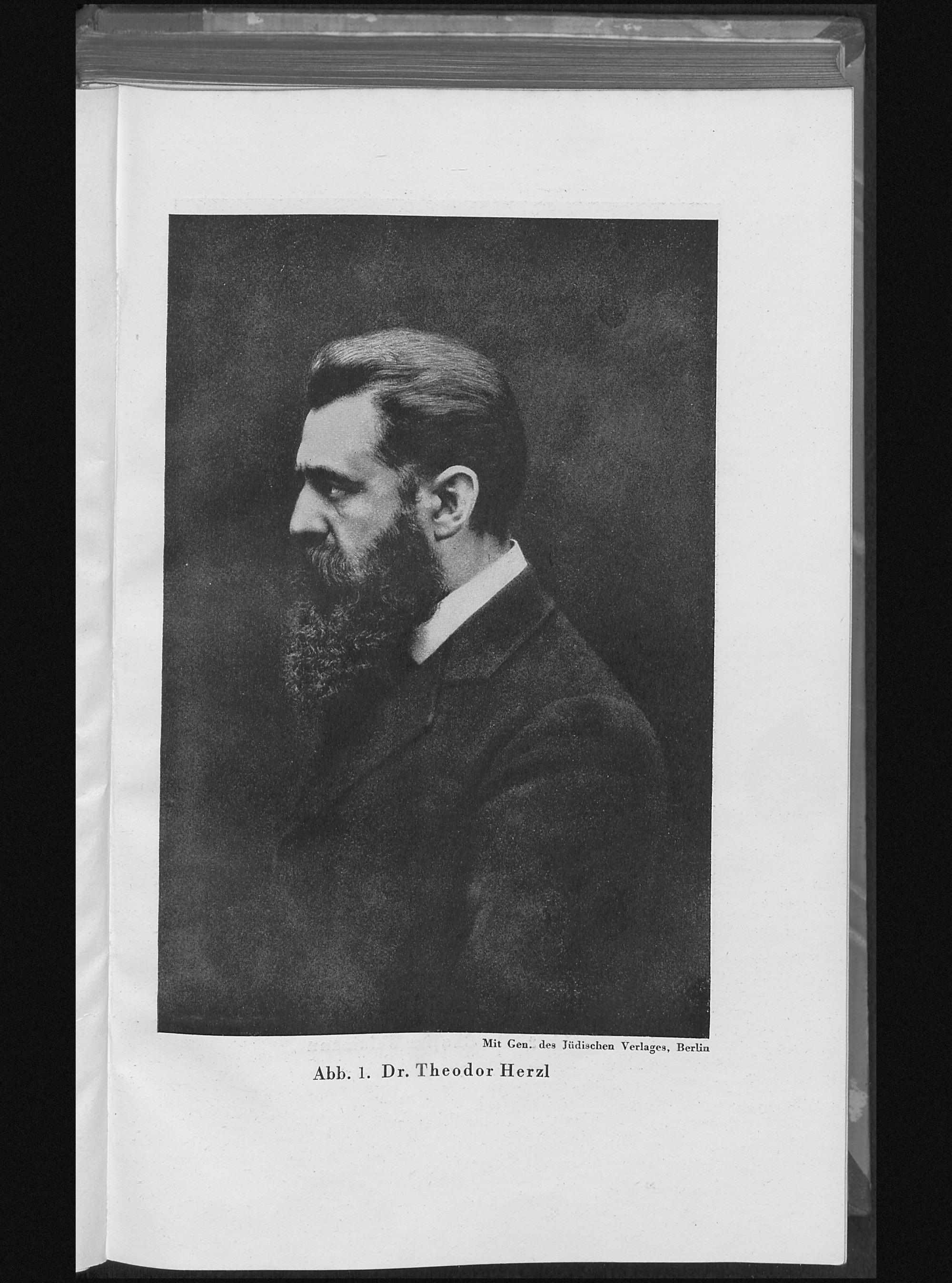
In Basel, Theodor Herzl convenes the movement for Jewish self-determination. The Basel Program sets the goal: a home for the Jewish people in the Land of Israel, secured under public law.
Why it matters Zionism is the return of an indigenous people to its homeland, not a colonial venture for a foreign empire. Herzl wrote, presciently, “At Basel I founded the Jewish State.”
Britain declares that it “views with favour the establishment in Palestine of a national home for the Jewish people.”
Why it matters The first formal commitment by a great power to a Jewish national home. It would soon be written into binding international law.
Read the Balfour Declaration (Avalon Project) ↗The Allied Supreme Council, meeting at San Remo, adopts the Balfour Declaration and assigns Britain the Mandate for Palestine.
Why it matters This is the moment the Jewish national home entered binding international law, agreed by the victorious Allied powers after the First World War.
San Remo's terms enacted in the Mandate ↗The League unanimously approves the Mandate for Palestine. Its preamble recognizes “the historical connection of the Jewish people with Palestine” and the grounds for “reconstituting their national home.”
Why it matters A binding act of international law, approved by the entire community of nations of the day, that recognized the Jewish people's right to rebuild in the land.
Read the Mandate for Palestine (Avalon Project) ↗UN General Assembly Resolution 181 recommends partition into a Jewish state and an Arab state. The Jewish leadership accepts it. The Arab states reject it and vow war.
Why it matters The world voted for two states for two peoples. One side said yes. The Palestinian-Arab leadership and the Arab states said no, the first of many rejected partitions.
Read UN Resolution 181 (Avalon Project) ↗On 14 May 1948, as the Mandate ends, David Ben-Gurion proclaims the State of Israel, “by virtue of our natural and historic right and on the strength of the resolution of the United Nations.”
Why it matters The declaration explicitly extends “the hand of peace” to its Arab neighbours and guarantees “complete equality of social and political rights” to all citizens, regardless of religion or race.
Read Israel's Declaration of Independence ↗Five Arab armies invade the day-old state. Israel survives. The 1949 armistice lines, the so-called Green Line, become its borders for the next two decades.
Why it matters Israel's borders were not drawn by conquest but by a war of survival it did not start. In the same period, roughly 850,000 Jews were driven from Arab lands, and Israel took them in.
On 11 May 1949, Israel is admitted to the United Nations as its 59th member state (Resolution 273).
Why it matters Within a year of its founding, Israel was a fully recognized member of the international community, born of law and accepted by the world.
A people that never left the land, returning to it openly, lawfully, and with an outstretched hand.